
"San Roman"
300 article(s) found

Costa Rica San Román Coffee Brand What are the steps to brewing Costa Rica coffee
Coffee cultivation in Costa Rica was introduced from Cuba in 1779 and exported for the first time only in 1820. There are about 32,000 coffee farmers, with an average planting area of less than one hectare (10,000㎡) per farmer. Costa Rica has a population of 4.1 million (2006) and coffee cultivation area of 82,500 km

Acidity Ideal Costa Rica San Roman Estate Fine Coffee Bean Origin Development History Culture Introduction
Costa Rican coffee is full of particles, with ideal acidity and unique aroma. Costa Rica's coffee industry, formerly controlled by the Instituto del Café de Costa Rica (ICAFE), has been taken over by the Official Coffee Council (Oficina del Caf). In coffee exports, those deemed substandard are marked with blue.

Introduction to the unique and strong flavor and taste of coffee from Chateau Saint Roman, Costa Rica
The research center, located about 30 kilometers northeast of the Costa Rican capital San Jose, belongs to the Costa Rican Coffee Association and is a research institution for villa sarchi planting, breeding and quality inspection newly developed by Costa Rica's national coffee breeds. in addition, it also has 10 hectares of experimental plots, planting a number of excellent varieties. Coffee is the main agricultural product in Costa Rica, with an annual output of more than 2 million bags

Description of Coffee Flavor of Costa Rica Saint Roman Manor with extra hard beans at High altitude
The research center, located about 30 kilometers northeast of the Costa Rican capital San Jose, belongs to the Costa Rican Coffee Association and is a research institution for villa sarchi planting, breeding and quality inspection newly developed by Costa Rica's national coffee breeds. in addition, it also has 10 hectares of experimental plots, planting a number of excellent varieties. Coffee is the main agricultural product in Costa Rica, with an annual output of more than 2 million bags
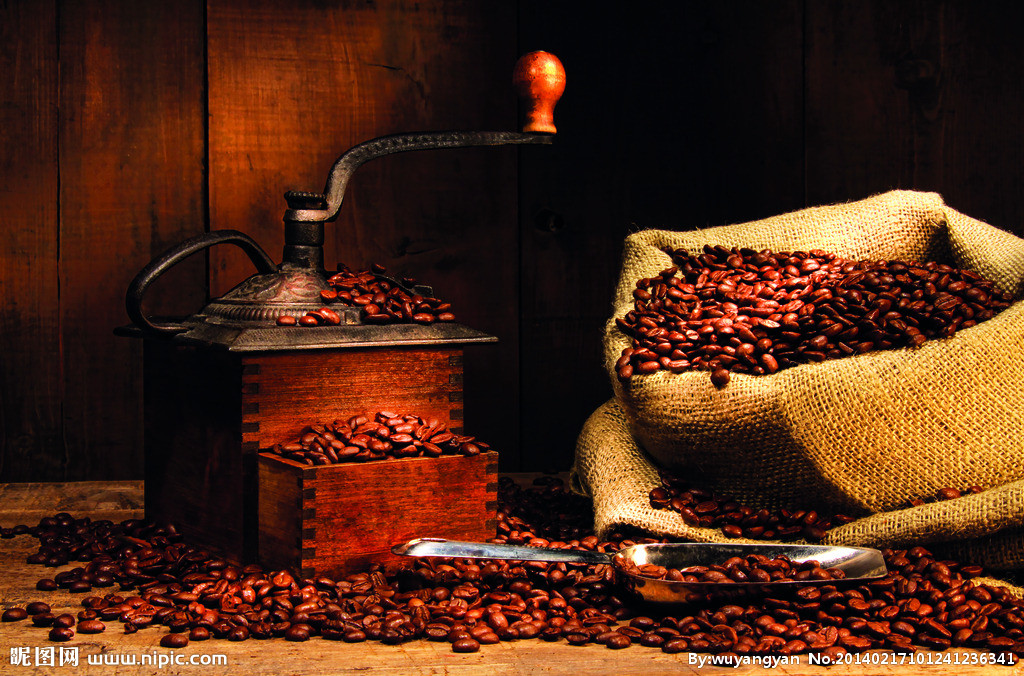
Fragrant Costa Rican Coffee Saint Roman Coffee Flavor, characteristics, taste and Manor introduction
Coffee cherries are hand-selected by coffee farmers to remove overripe or immature cherries, and then produce them. A 3-disc aagaarde peeling machine is used to remove the peel and pulp, and then the machine is divided into three grades according to the density of coffee beans. Grade 1 and 2 raw beans are fermented separately, while grade 3 is low-quality raw beans. The raw beans were fermented in a cool place for about 24 to 36 hours.
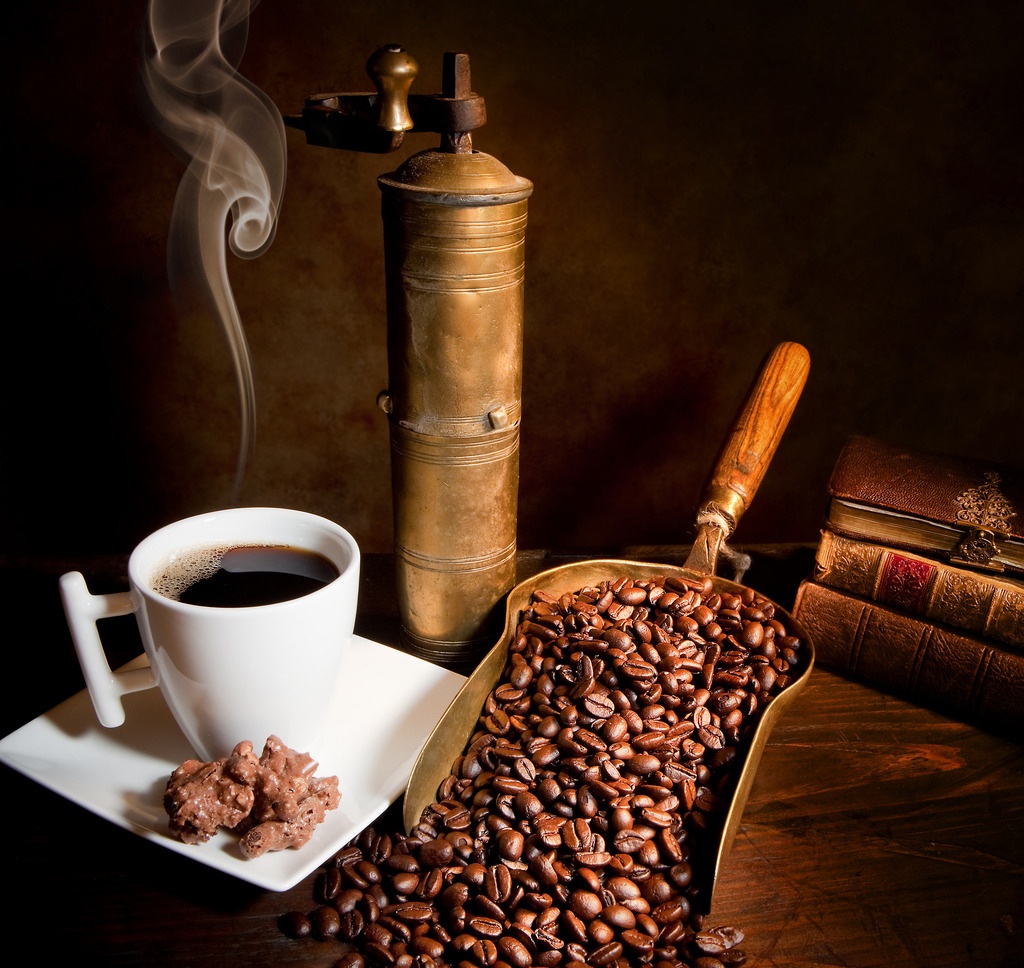
Fragrant Costa Rican Coffee Saint Roman Coffee Flavor, characteristics, taste and Manor introduction
Coffee cherries are hand-selected by coffee farmers to remove overripe or immature cherries, and then produce them. A 3-disc aagaarde peeling machine is used to remove the peel and pulp, and then the machine is divided into three grades according to the density of coffee beans. Grade 1 and 2 raw beans are fermented separately, while grade 3 is low-quality raw beans. The raw beans were fermented in a cool place for about 24 to 36 hours.
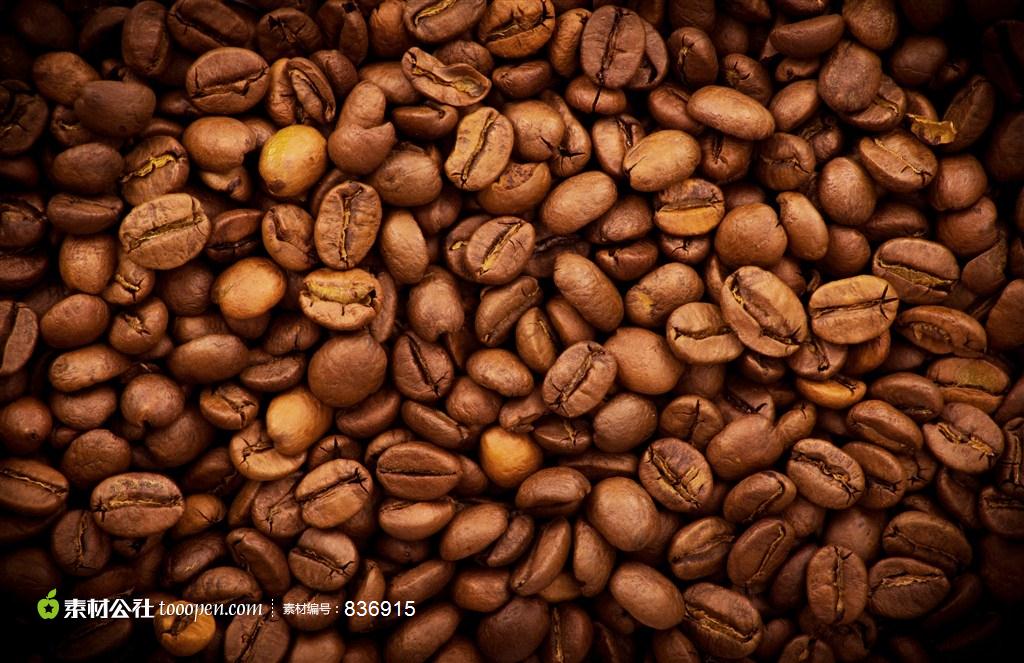
Fragrant Costa Rica plus Saint Roman Coffee Flavor, characteristics, taste and Manor introduction
Coffee cherries are hand-selected by coffee farmers to remove overripe or immature cherries, and then produce them. A 3-disc aagaarde peeling machine is used to remove the peel and pulp, and then the machine is divided into three grades according to the density of coffee beans. Grade 1 and 2 raw beans are fermented separately, while grade 3 is low-quality raw beans. The raw beans were fermented in a cool place for about 24 to 36 hours.

Fruit sweet Costa Rican Saint Roman Coffee Variety Taste Flavor Fine Coffee beans
Coffee cherries are hand-selected by coffee farmers to remove overripe or immature cherries, and then produce them. A 3-disc aagaarde peeling machine is used to remove the peel and pulp, and then the machine is divided into three grades according to the density of coffee beans. Grade 1 and 2 raw beans are fermented separately, while grade 3 is low-quality raw beans. The raw beans were fermented in a cool place for about 24 to 36 hours.

Introduction to the method of grinding scale and taste treatment of coffee beans in Saint Roman Manor, Costa Rica
The research center, located about 30 kilometers northeast of the Costa Rican capital San Jose, belongs to the Costa Rican Coffee Association and is a research institution for villa sarchi planting, breeding and quality inspection newly developed by Costa Rica's national coffee breeds. in addition, it also has 10 hectares of experimental plots, planting a number of excellent varieties. Coffee is the main agricultural product in Costa Rica, with an annual output of more than 2 million bags
Introduction of the main coffee producing areas in the world: Costa Rica Saint Roman Coffee
Costa Rican coffee, with full grains, ideal acidity and unique strong flavor, Tarrazu of Costa Rica is one of the major coffee producing areas in the world. Costa Rica, with its fertile volcanic soil and good drainage, is the first country in Central America to grow coffee and bananas for commercial value. Coffee and bananas are
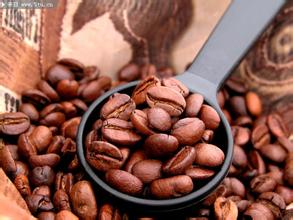
Boutique coffee Costa Rican Coffee Manor St. Roman Coffee beans
The particles are full, the acidity is ideal and the aroma is unique and strong. Tarrazu in Costa Rica is one of the major coffee producing areas in the world. The coffee produced is light and pure in flavor and pleasant in aroma. Costa Rica, with its fertile volcanic soil and good drainage, is the first country in Central America to grow coffee and bananas for commercial value. Coffee and bananas are the main food in the country.

Description of Coffee Flavor in Chateau Saint-Roman, Costa Rica; introduction to the planting environment, baking methods and taste producing areas
Other Costa Rican coffees worth mentioning are Juan Vinas,PR, H.Tournon, Windmill,SHB, Monte bello and Ssnta Rosa. Fine Costa Rican coffee is generally grown in Geredia and the central canyon. Another eye-catching Costa Rican coffee is sa
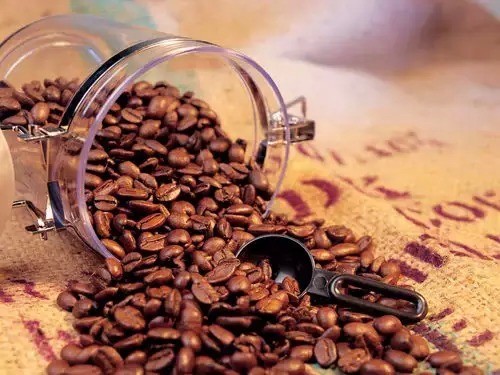
Taste characteristics of Costa Rica plus Saint Roman Coffee with Sweet Fruit Flavor Flavor Coffee Bean
Coffee cherries are hand-selected by coffee farmers to remove overripe or immature cherries, and then produce them. A 3-disc aagaarde peeling machine is used to remove the peel and pulp, and then the machine is divided into three grades according to the density of coffee beans. Grade 1 and 2 raw beans are fermented separately, while grade 3 is low-quality raw beans. The raw beans were fermented in a cool place for about 24 to 36 hours.
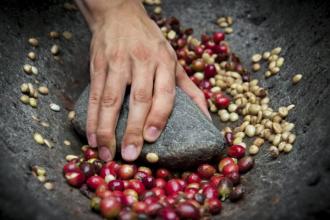
Fruit sweetness Costa Rica plus Saint Roman Coffee varieties taste characteristics Manor boutique coffee bean flavor
Coffee cherries are hand-selected by coffee farmers to remove overripe or immature cherries, and then produce them. A 3-disc aagaarde peeling machine is used to remove the peel and pulp, and then the machine is divided into three grades according to the density of coffee beans. Grade 1 and 2 raw beans are fermented separately, while grade 3 is low-quality raw beans. The raw beans were fermented in a cool place for about 24 to 36 hours.
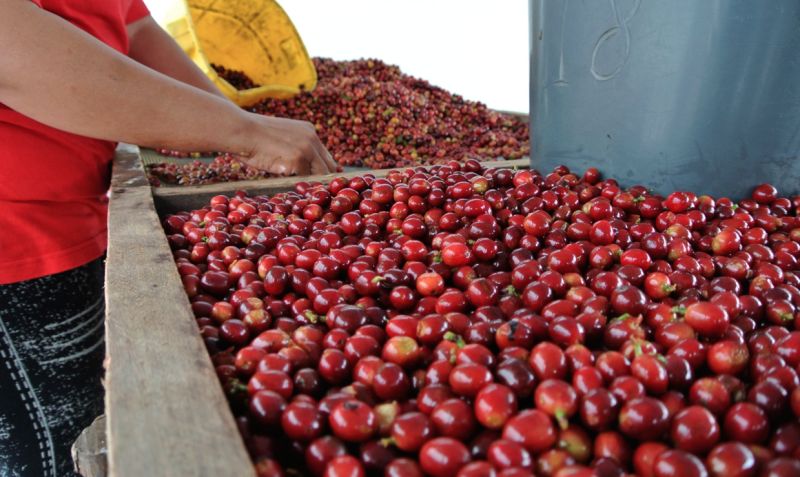
Fruit sweetness Costa Rica plus Saint Roman Coffee varieties taste manor characteristics boutique coffee bean flavor
Coffee cherries are hand-selected by coffee farmers to remove overripe or immature cherries, and then produce them. A 3-disc aagaarde peeling machine is used to remove the peel and pulp, and then the machine is divided into three grades according to the density of coffee beans. Grade 1 and 2 raw beans are fermented separately, while grade 3 is low-quality raw beans. The raw beans were fermented in a cool place for about 24 to 36 hours.

Introduction of Coffee Flavor and Taste characteristics of Saint Roman Manor in Costa Rica
From 1870 to 1882, T. Guardia Gutierrez exercised dictatorship, weakening the power of the two families. Since the 1970s, British and American capital has infiltrated. American entrepreneur M.C. Keith signed a contract with the Costa Rican government to build a railway from Port Limon to San Jose on the east coast, won a concession in 1999 and occupied large tracts of land to develop banana plantations. United Fruit of America in 1899
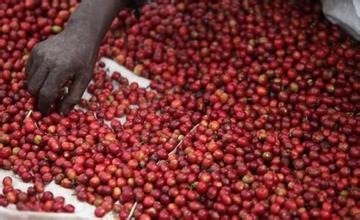
Fruit sweetness Costa Rica plus Saint Roman Coffee Variety characteristics taste Manor boutique coffee bean flavor introduction
Coffee cherries are hand-selected by coffee farmers to remove overripe or immature cherries, and then produce them. A 3-disc aagaarde peeling machine is used to remove the peel and pulp, and then the machine is divided into three grades according to the density of coffee beans. Grade 1 and 2 raw beans are fermented separately, while grade 3 is low-quality raw beans. The raw beans were fermented in a cool place for about 24 to 36 hours.

Introduction to the characteristics of Coffee Variety Flavor and taste in Saint Roman Manor, Costa Rica
The research center, located about 30 kilometers northeast of San Jose, the capital of Costa Rica, belongs to the Costa Rican Coffee Association and is the research institution for planting, breeding and quality inspection of Brazilian coffee fruits in Costa rica. in addition, it also has 10 hectares of experimental plots, planting a number of excellent varieties. Coffee is the main agricultural product in Costa Rica, with an annual output of more than 2 million bags

Description of Coffee Variety Culture and Fine Coffee Bean Taste in Saint Roman Manor, Costa Rica
Costa Rica has a variety of cultures, which is the cultural confluence of Central and South America. When the Spaniards conquered America in the 16th century, the northern part of Costa Rica was the southernmost territory of the Mayan civilization, the central and southern regions were Chibucha territories, and the west coast was inhabited by black slaves from Africa from the 17th to 18th centuries. at this time, many Chinese

Floral taffy sweet charming Costa Rican Saint Roman boutique coffee bean flavor and taste
Lajas, a Chinese coffee network, is also the first manor in Central America to start honey treatment and natural sun treatment. Tanning is a very traditional practice, which uses the least resources, but because there are too many uncontrollable factors, it is very difficult to do well. Francesca added many innovations, such as using the sugar meter (Brix meter), which is often equipped in the wine industry, to measure the sugar in the fruit.